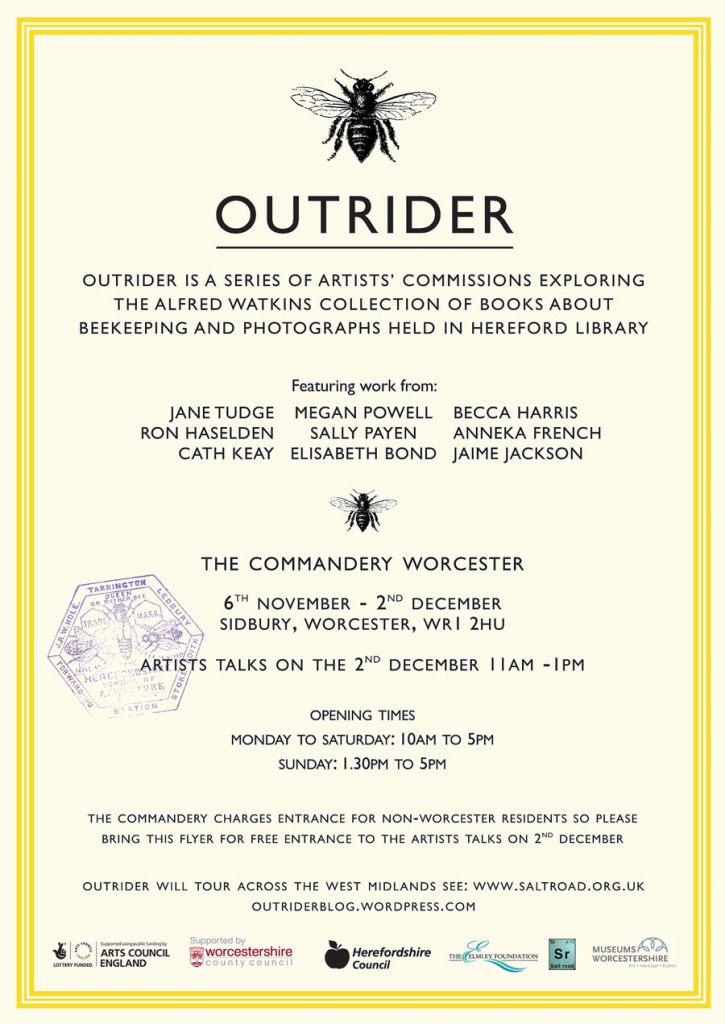
Outrider is an Arts Council England funded Salt Road project, a series of 8 artists environmental commissions exploring the Alfred Watkins collection of books about beekeeping and photographs, held in Hereford Library. The commissions and parts of the collection toured across the West Midlands from September 2014. Curated by Sally Payen. Outrider blog link.
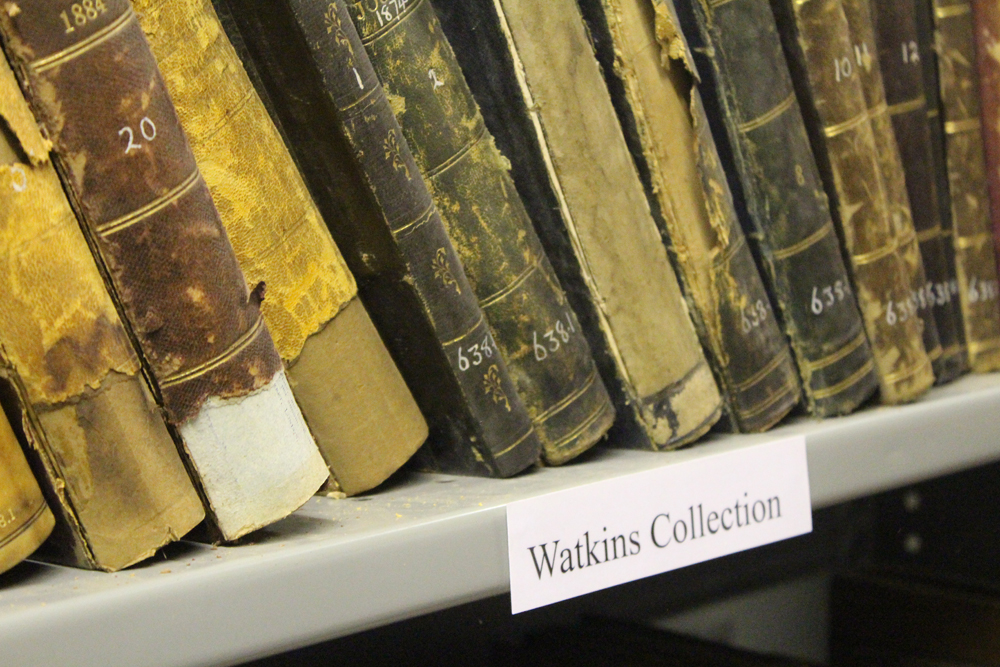
Alfred Watkins (1855–1935) originated the idea of ley-lines and surveyed alignments which articulated the prehistoric landscape of Britain, in his native Herefordshire in the 1920s. Despite the scepticism of academic archaeologists, his vision of ley-lines helped shape popular views of British landscape in the interwar years, and, during a revival of Watkins’s work from 1969, practices and perceptions of British land art. Watkins was a self-taught amateur archaeologist and antiquarian who developed theory of ley lines in the British landscape; respected photographer and Fellow of Royal Photographic Society; made some of his own cameras and developed a photographic exposure meter in 1890s known as the ‘Watkins Bee Meter’. Tate’s Watkins publication
Commissioned Salt Road artists:
Jaime Jackson Sally Payen Elisabeth Bond Ron Haseldon Jane Tudge Megan Powell Cath Keay
Early Career Artist include:
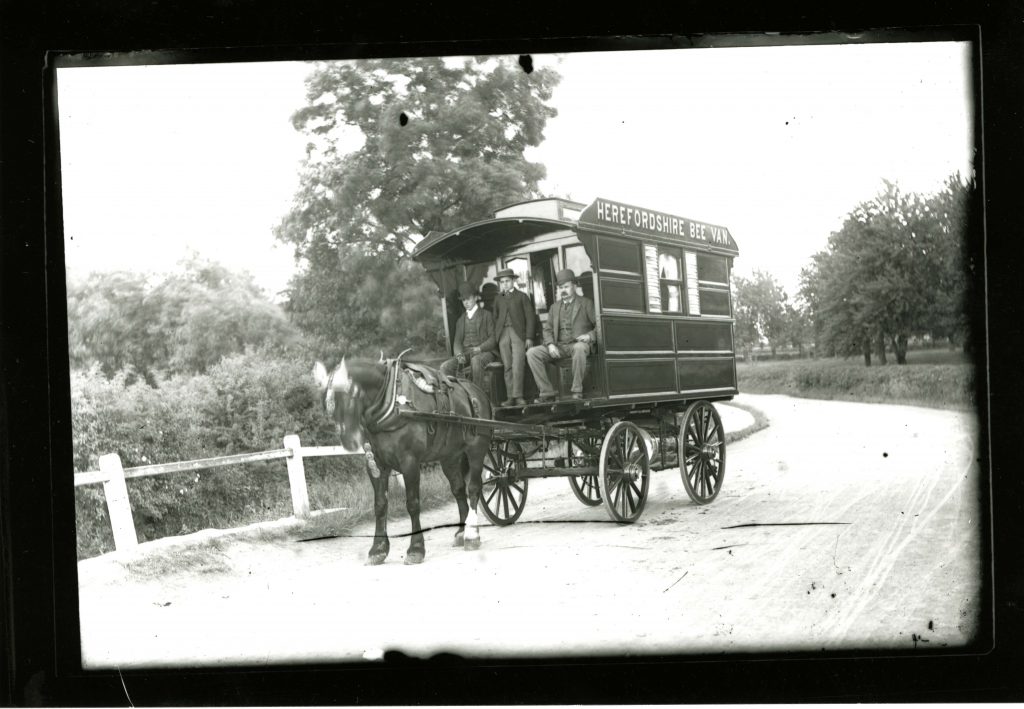
‘So please do not begin with the false – as being the inapplicable-word “theory”. I had no theory when, out of what appeared to be a tangle, I got hold of the one right end of this string of facts, and found to my amazement that it unwound in orderly fashion and complete logical sequence’. Early British Trackways, Moats, Mounds, Camps and Sites’, Alfred Watkins 1922
‘Thats why Alfred Watkins, author of The Old Straight Track, apologist for ley lines, man of business, haunted this country. It had been the locus for his original revelation: everything connects and, in making those connections, streams of energy are activated. You learn to see. You forget to forget, to inhibit conditioned reflexes. You access the drift. Watkins was an outrider, a brewer’s rep. If he were still in the game he’d be jockeying a Ford Mondeo around the motorway system, stumbling on the karma of the M25, speculating on London’s orbital road as a prayer wheel, a dream-generator on which the psychic health of the city depended.’ From Landor’s Tower: Or the Imaginary Conversations by Iain Sinclair.
The mysterious vanishing of honeybees from hives can be directly linked to insectcide use, according to new research from Harvard University. The scientists showed that exposure to two neonicotinoids, the world’s most widely used class of insecticide, lead to half the colonies studied dying, while none of the untreated colonies saw their bees disappear.
“We demonstrated that neonicotinoids are highly likely to be responsible for triggering ‘colony collapse disorder’ in honeybee hives that were healthy prior to the arrival of winter,” said Chensheng Lu, an expert on environmental exposure biology at Harvard School of Public Health and who led the work.
The loss of honeybees in many countries in the last decade has caused widespread concern because about three-quarters of the world’s food crops require pollination. The decline has been linked to loss of habitat, disease and pesticide use. In December 2013, the European Union banned the use of three neonicotinoids for two years.
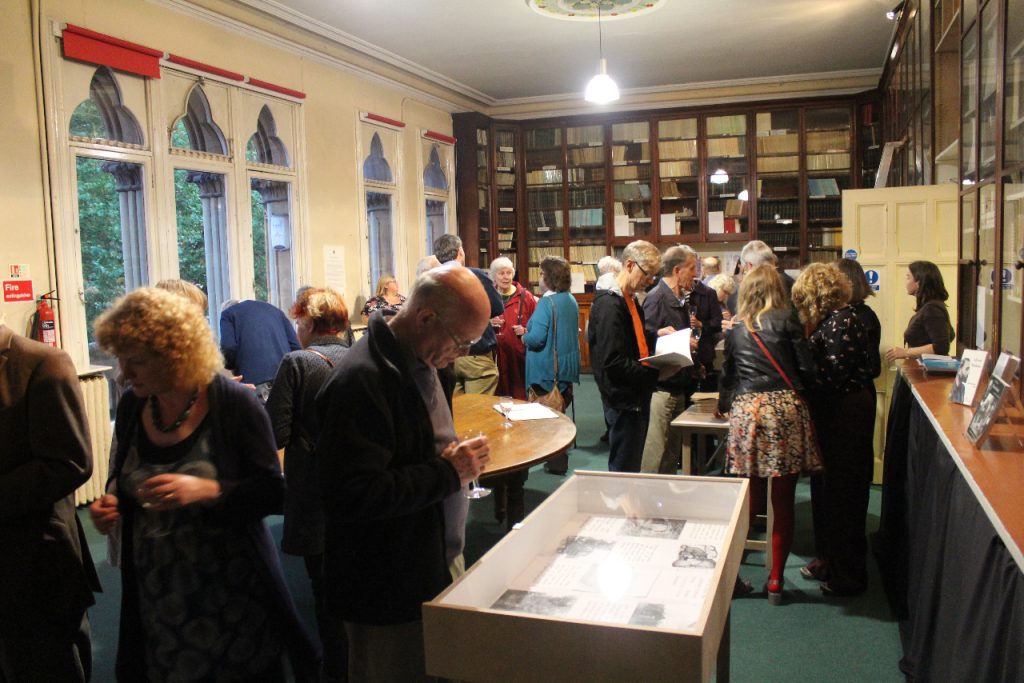
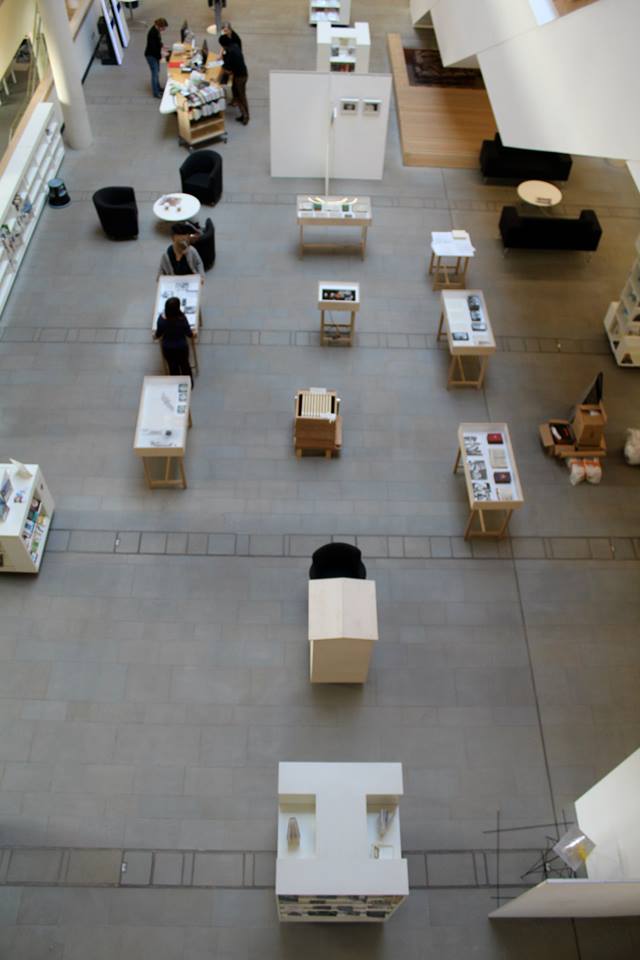
Exhibition program:
The Commandery Worcester The Hive Worcester Leominster Library Ross Library Winterbourne House and Gardens, Birmingham. Haden Hill House, Sandwell.
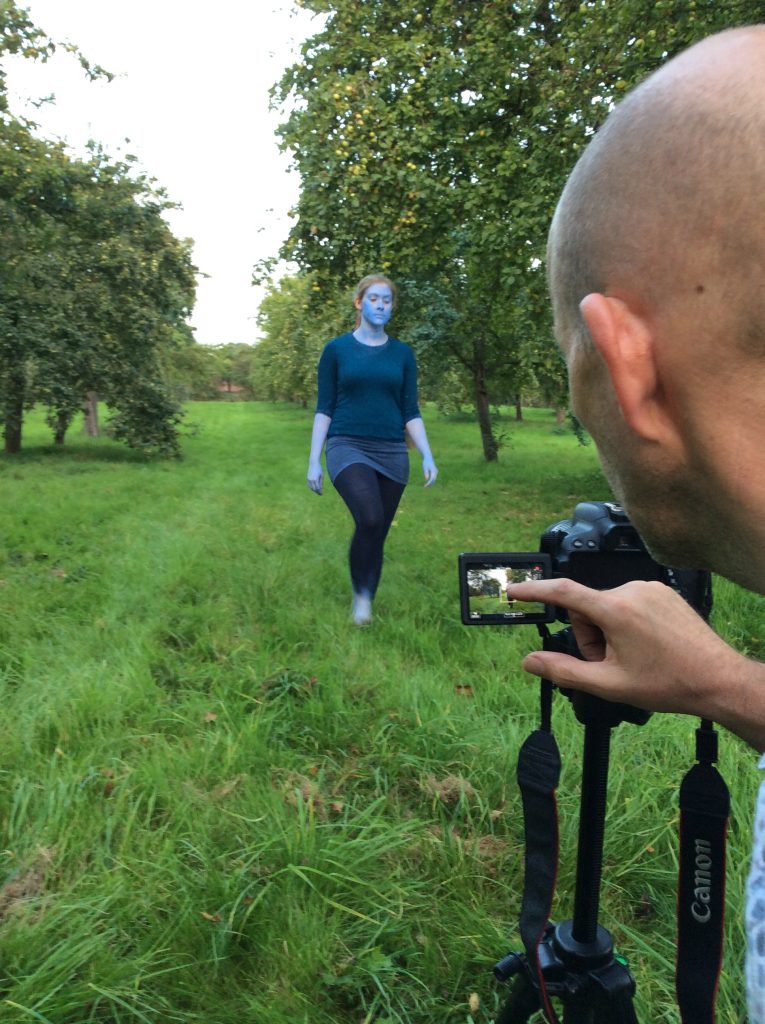
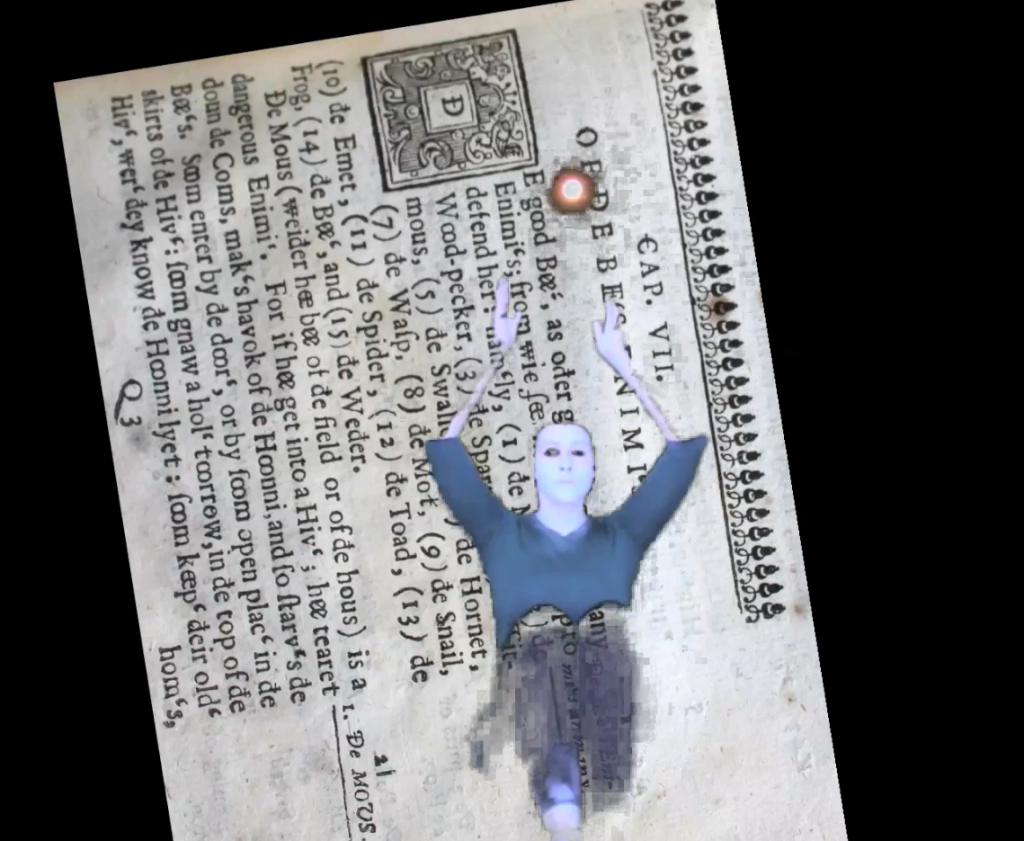
Here are some words from commissioned artist Cath –
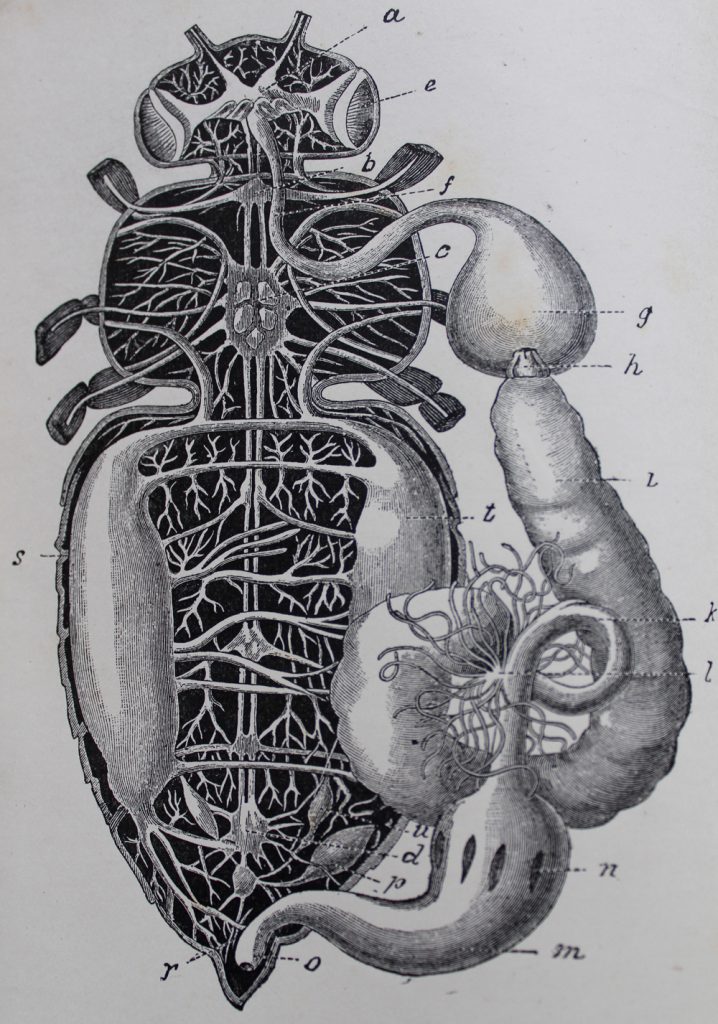
From Hereford Library’s collection I took home images of 450 pages from books on bees dating from the 16th century to the 1930s. I have been sifting these for instances of writers projecting human morals or righteousness onto bees (or the evil temperament of bees’ enemies), examples which say more about the author than the insects. Such anthropomorphising is to reinforce their own vision of society, and is usually delivered to instruct how others should behave.
‘They are temperate in diet, no gormandizers or drunkards among them (the drones excepted); decent in apparel wearing always homespun gowns and those always neat and clean.’ (James Bonner 1789)
More modern works in the collection cut to the chase and advise beekeeping as a way of improving the lower orders.
‘I hold that all employers of labour would do well to encourage their servants to spend their leisure hours in a profitable way’ (A Pettigrew date?)
‘… they spend not their riches in riots and drunkenness so neither in lust and wantonness or carnal concupiscence.’ (Rev John Thorley 1744)
The writers sometimes entirely contradict themselves, talking about bees’ meekness, sobriety and unending dutifulness, and then a few pages later describing the massacre of drones or raids on other hives. Some of the language and old printfaces are tricky to unpick:
‘If Emets bee neer your Bee’s dey will much trubble dem, biting dem and hanging upon dem.’
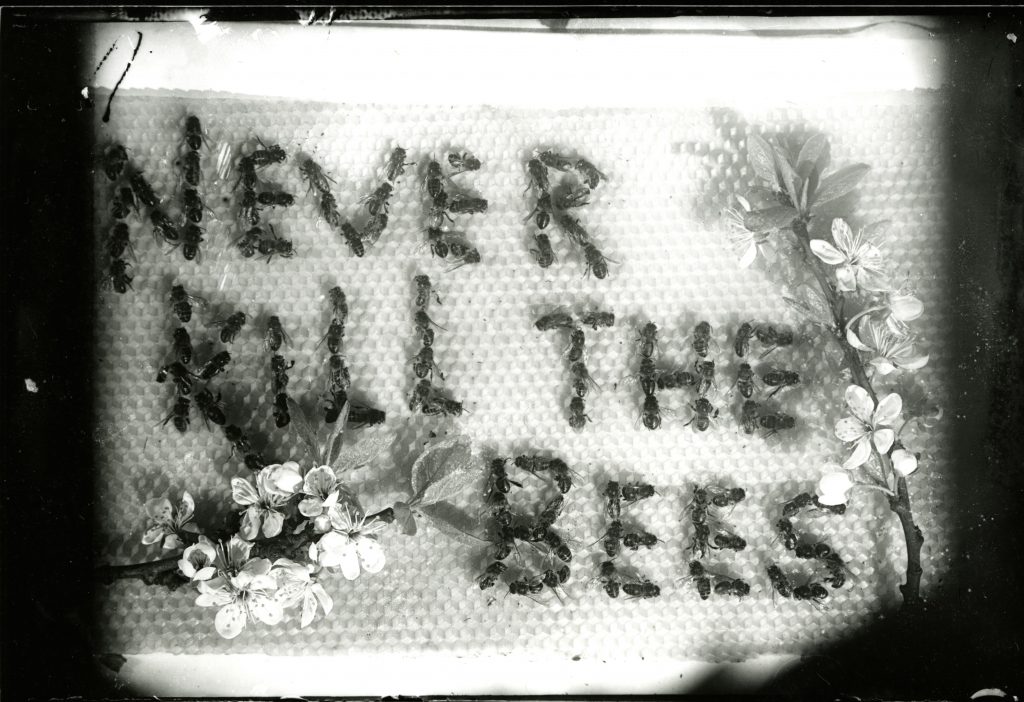
I have also selected 29 images of Watkins’ photos that are beautifully staged to idealise beekeeping. They show men and women holding lengthy poses for the camera next to swarms and skips, with no protective garments.
I am currently working to combine these images and two others from my photographs to compile a Book of Hours that can cover one month. The quotations will not be used as straightforward titles nor clearly illustrative of each image, as I want to encourage subjective responses from every individual reader. The pages might be bound or enable the viewer to shuffle and happen upon combinations of image and quotations that will conjure fresh connections.
‘The beehive where honey is turned into wax is the confectioner’s bakehouse where he makes up the refined sugar into sugar plums for good boys and girls’. (Rev John Thorley 1744)
Words from commissioned artist Becca Harris
The first encounter
Fingers trace lumps and gnarled cracks
lingering;
a musky smell sits heavily in the air
where small objects glitter –
a sun dance upon covers
elegantly decorated in gold.
Sitting among the collection is like being among treasure. Delving into an exploration, considering them not as books but objects stripped of their usual context, we are drawn into an experience of the life of an object.
Stretched fingers hover, then land,
discover traces of the making,
sweep from cover to cover;
binding that frays, loosening at its edge
a faint and smudged thumbprint –
someone has been here;
a thin crease – the top right hand corner
bookmarked.