A West Midlands Combined Authority Greener Together commission by Salt Road in 2025.
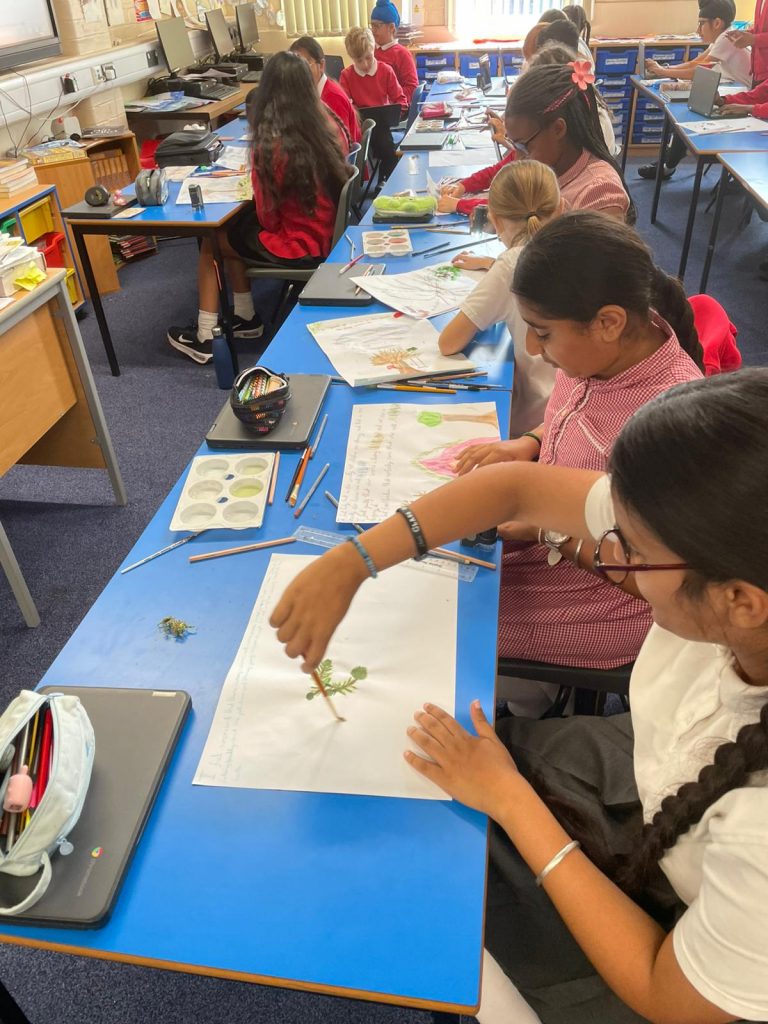
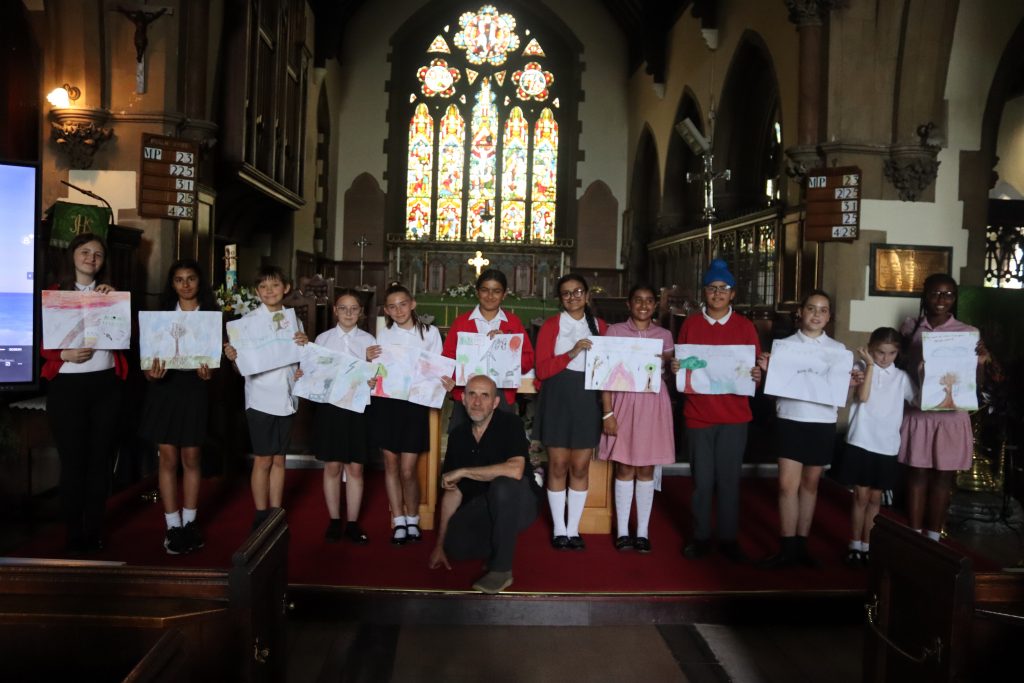
This is a data visualization visual art project for 10 schools located near to one of the network of air quality sensors across the metropolitan west midlands region. Working with over 1000 pupils we used workshops as a way of supporting the schools with their DFE Climate change and sustainability Strategy Climate Action Plan CAP. Sustainability leadership needs to be in place by end 2025 – A whole school culture of educational and operational sustainability CAP – adaption and resilience and biodiversity and outdoors. We co-produced the artwork film No, Everyone Needs To Know.
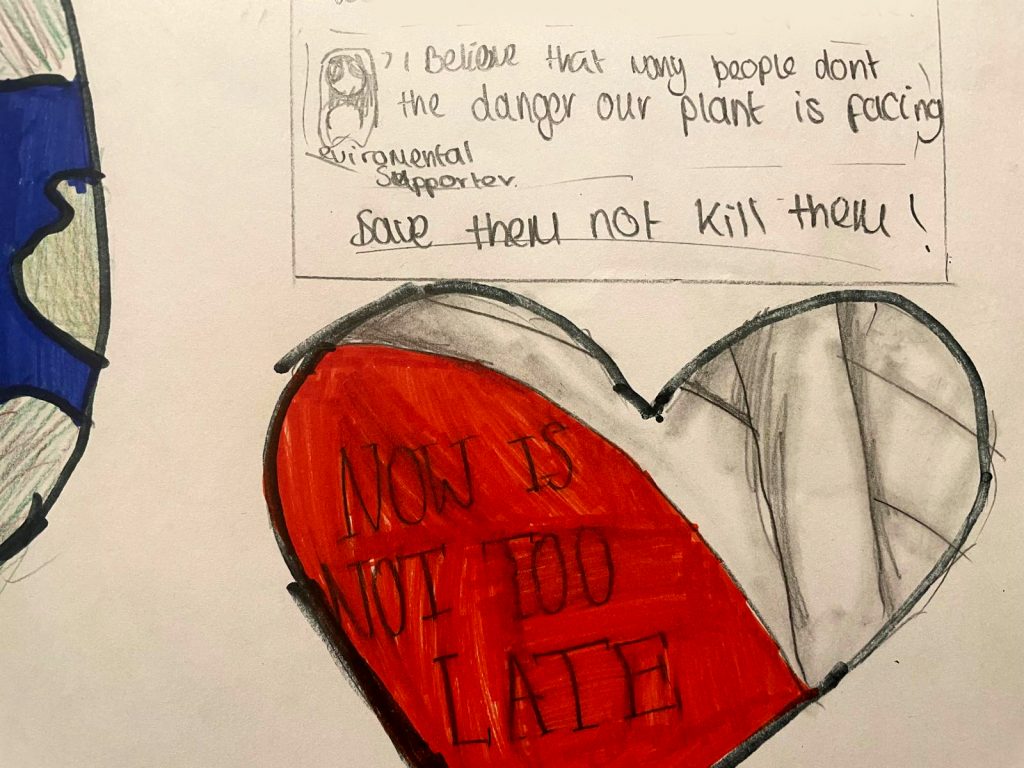
Aims:
- Raise the profile of the ‘Air We Share’ programme in the area
- Get attendees to start thinking about what statistics are important for the local community to be made more aware of.
- Create a piece of art using digital technology like the Internet of Things and visual art processes like drawing and painting that will engage people in air quality statistics.
An important aspect of this engagement is not to trigger a trauma response in the pupils, climate and earth crisis information elicit emotional responses such as increased anxiety. It is importance that any engagement gives the pupils agency to understand what change they can be part of and how to do that.
Air pollution has emerged as a major threat to public health. Due to vehicular pollution and industries, the exposure to toxic particulate matter pollution (PM2.5 and PM10) is alarmingly high in cities. Inform the pupils about the importance of monitoring air pollution for human and environmental health.
- Poor air quality is the largest environmental risk to public health in the UK (DEFRA, 2017).
- 73% of the UK has air pollution levels that are higher than what the World Health Organisation (WHO) considers safe.
- In the West Midlands alone up to 2,300 people die early each year due to long term exposure to air pollution.
- In the West Midlands, the main pollutants are Particulate Matter (PM10 and PM2.5) and Nitrogen Dioxide (NO2)
- Main source of NO2 in the West Midlands is from road transport
- Main source of PM2.5 is domestic combustion which includes combustion in commercial, industrial, residential and agriculture.
- Those most at risk from air pollution are the elderly, people with respiratory conditions, pregnant women, and children.
- Short-term exposure can worsen asthma, impact lung function