News: In addition to our funding application details: Richard Vaughan the Head of Environment at Herefordshire Council, leading the Sustainability & Climate Change team and Sarah Lardner, Engagement Officer Sustainability Team at Solihull Council have asked to be involved supporting, disseminating and building legacy.
The Seeded Wing links creative health, with social and environmental justice, so that a nature placed creative health co-production with marginalized groups of young people, becomes a form of positive action.
We have 6 commissioned Seeded Wing visual artists, who are specialists in working with young people and creating high quality artworks in response to nature connectivity and the earth crisis:
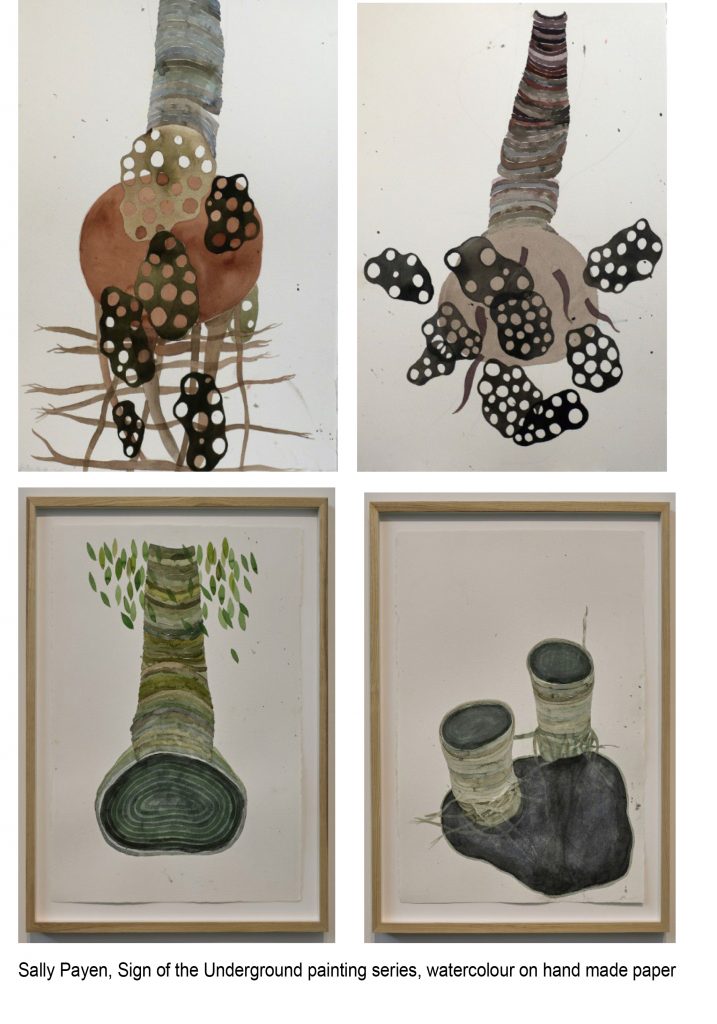
Artist 1. Dr Payen is the co-founder and lead artist of Salt Road, a visual arts project organization established in 2005. Through this collective, she collaborates with scientists, ecologists, and marginalized communities to translate pressing environmental issues—such as climate change, glacier melting, and mycelial networks—into fine art. Her paintings are held in highly prestigious public collections, including the UK Government Art Collection, the Towner Collection, Wolverhampton Art Gallery, and the Royal College of Art.
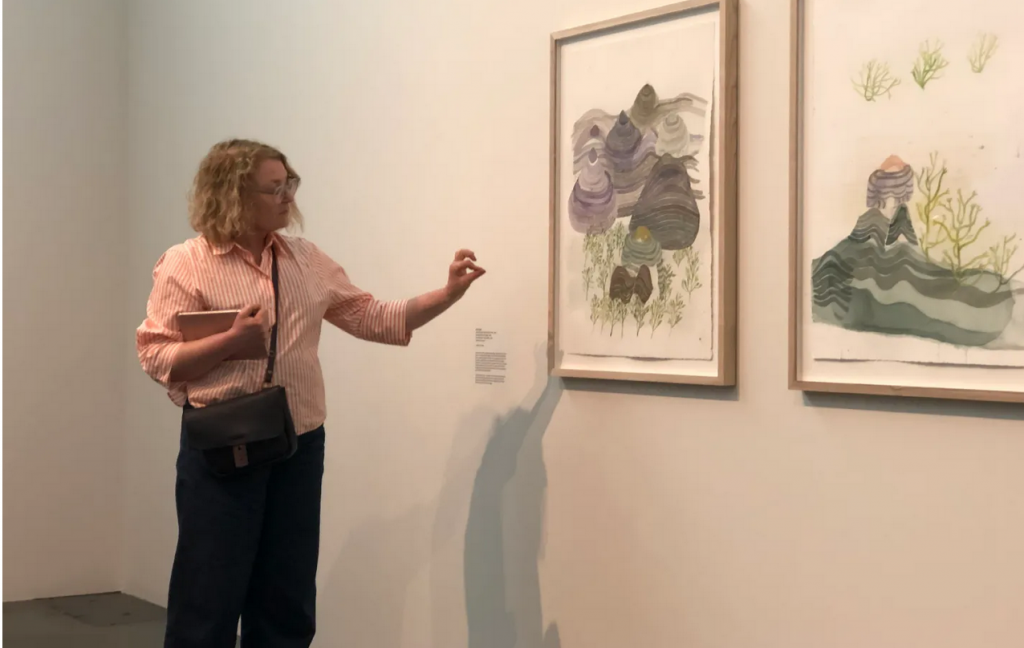
Artist 2. Jaime Jackson, is a West Midlands based collaborative, visual, digital, biophilic and socially engaged artist. Co-founder of Salt Road, an artist-led project organisation established in 2005 alongside Dr. Sally Payen. Also a director of Culture Declares Emergency Jaime’s interdisciplinary practice explicitly bridges the gap between contemporary art, communities, and climate science to help young people connect with nature during the ongoing ecological crisis. His collaborative, nature-based practice uses drawing, painting, and digital technologies—such as Machine Learning AI, motion capture, and augmented reality—to address the climate and ecological crisis. His work is rooted in the idea that we are nature, that it is not separate from us, once we understand this we feel less alone, and are able to take effective action to make positive change happen.
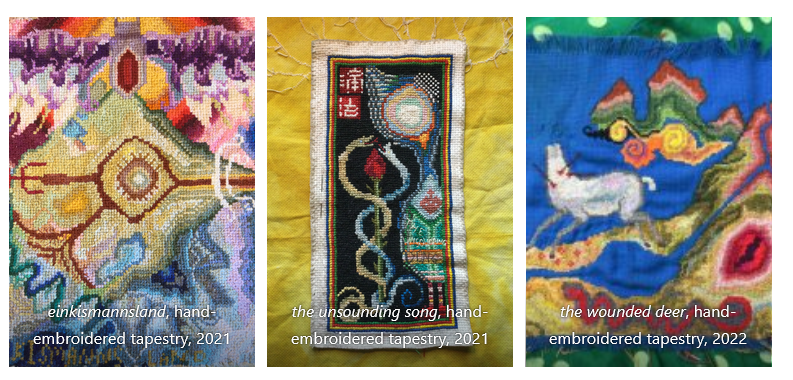
Artist 3. Pearl Colette, is an early stage career mentored artist. Pearl Colette is a writer, researcher, and multidisciplinary artist. She serves as the Co-Director of Art Writing for Salt Road CIC, where she is currently an early-career mentored artist. Her creative practice bridges material culture, devotional practice, and landscape. Her practice encompasses field-based writing and research projects designed to understand the intersection of aesthetics, meaning, and our natural environment
Artist 4. Hereford College of Art, early stage career mentored artist (to be selected). As part of our commitment to supporting the development of recently graduated and early stage career artists. This commission will enable the artist to work with the lead artists/make new artwork in response to the brief and learn about socially engaged environmentally responsible creative health practice within a context of nature connectivity.
Artist 5. Stephen Whitehead, socially engaged relational environmental artist. Stephen Whitehead is a socially engaged/relational artist. His practice grows empathy with nature; developing environmental literacy and agency with concrete actions and a sense of community in that action. With over 20 years of experience in relational practice and co-production with children ad young people, his work bridges contemporary art with environmental advocacy. He aims to build empathy with nature, cultivate environmental literacy, and spark collective community action in response to climate change.
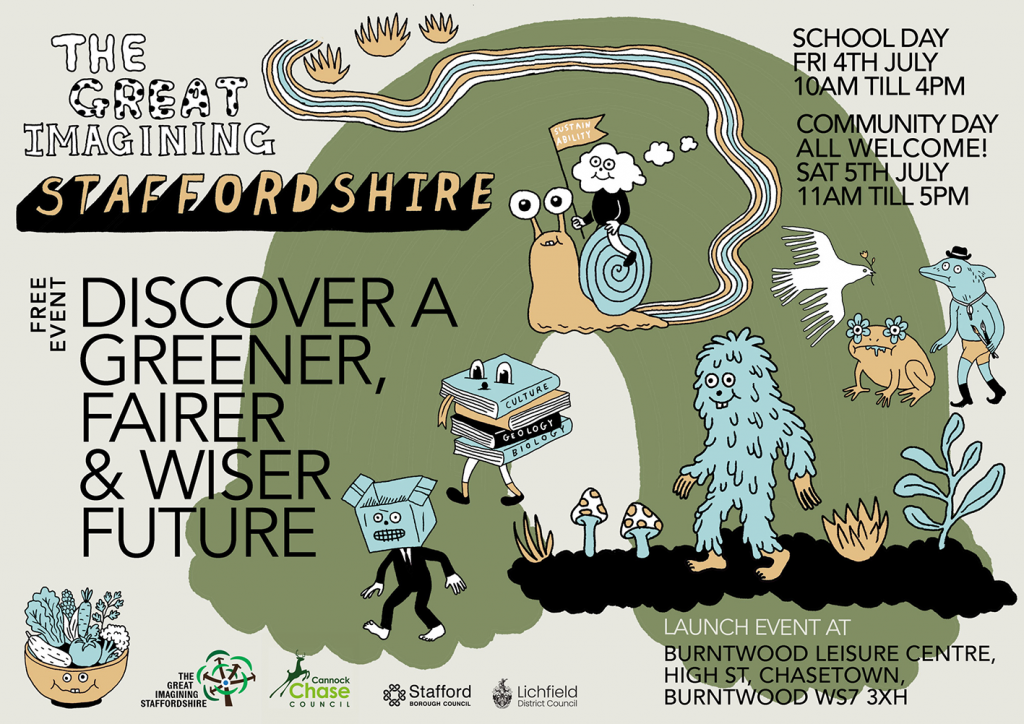
Artist 6. Deborah Curtis, socially engaged climate change artist. Artist director of The Great Imagining. Deborah Curtis is the Creative and Artistic Director of The Great Imagining. A youth-led artist charity, and collaborative project that brings together hundreds of artists, scientists, and engineers to host interactive, immersive learning adventures. Programs have been deployed across 60 schools. Alongside artist Gavin Turk, she also co-founded The House of Fairy Tales, a children’s arts charity. Deborah’s work seamlessly merges art, ecology, and education, empowering young people to shape a greener, fairer world.
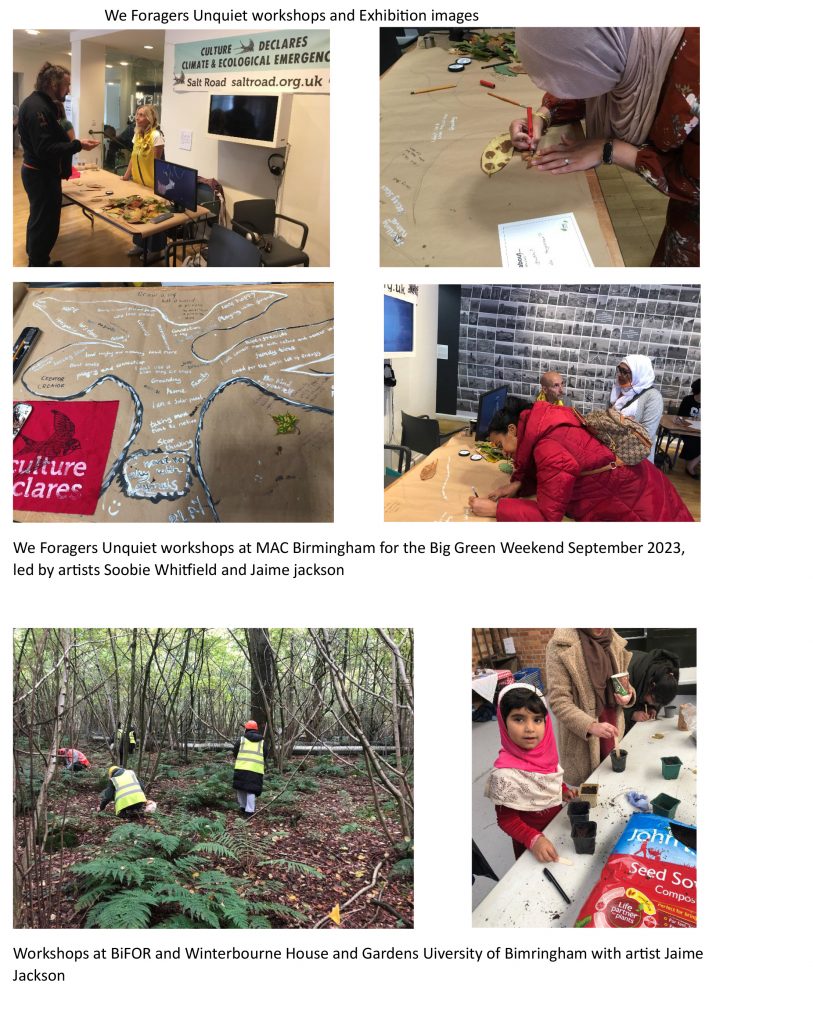
Reference- Zafroon Bibi, teacher from Thornton School in East Birmingham:
Working with Jamie from Salt Road was an absolute pleasure. The project itself was a way for our students to mirror and reflect on their environmental knowledge, presenting their thoughts innovatively, pushing boundaries on how we should raise awareness towards local and national sustainability and other environmental issues, such as climate change. Working collaboratively with Jamie, the children developed the perspectives of real artists, rather than simply putting paint onto paper. Pupils came to understand art was not just a process that included drawing and painting, but rather an outlet of self-expression. A journey, where everyone is free to articulate themselves confidently.
A collective goal was to encourage younger years to reflect on their role in helping the environment, and I believe that the ‘zine’ was an effective way of reaching out and inspiring all year groups to create their own pieces of artwork- spreading messages of global change. Pupils are now inspired to create their own zines during playtimes.
Furthermore, with Jamie, imagination converted into innovation, with children raring to go and continue their projects, alongside a figure of guidance. Our students dedicated their time after school (in the form of art sessions with Jamie), as they were so enthusiastic to finish their zines- a source of pride for young minds, who have made a real impact.
I strongly believe that with Jamie’s help, further opportunities to artistically express topical issues will arise, creating a community of awareness towards the changing world. Jaime created a wonderful opportunity for our students to tell their stories in an engaging and deep meaningful way.
Policies and Strategic linkages:
The recent UK Intergovernmental Science-Policy Platform on Biodiversity and Ecosystem Services Transformative Change assessment highlighted the need for positive visions of a better future for nature and people to inspire transformative change – shifting views, structures, and practices to address the underlying causes of the environmental crisis.
This project supports the following regional reports, strategies and policies in relation to health and well-being, community impact, behavior change, facilities and activities in green spaces:
UK government sustaining success in parks guidance: Parks and green spaces play a vital role in our society, from providing benefits for health and wellbeing to facilitating space for communities to interact, make new connections and share ideas and culture.’
UK Government 25 year Environment Plan policies relating to connecting people with nature for wellbeing, urban nature and nature’s beauty. The government’s core strategy commits to ensuring everyone has access to green space within 15 minutes of their home. It specifically prioritizes connecting children with nature for their mental and physical well-being
Our project supports the West Midlands Combined Authority’s Environment Behavior Change Plan
Birmingham’s City of Nature Plan | Birmingham’s City of Nature plan | Birmingham City Council Over the 25-year City of Nature delivery plan, The Council aims to increase publicly accessible greenspaces from 600 to 1,000 green spaces. The City of Nature Plan will change the way Birmingham treats its natural environment and how it thinks about the future of its parks and green spaces. It will involve the whole council and its core third sector partners though a City of Nature Alliance; whilst reaching out to the
citizens of Birmingham to facilitate significantly more involvement.
Birmingham Children’s Trust Delivered in conjunction with local councils and environmental groups, the Trust incorporates nature directly into social support systems
WMCA’s Nature Recovery Strategy Developed to protect and enhance nature, this regional framework specifically outlines actions to open up more urban green spaces, improve iconic waterways and canals, and boost biodiversity for residents across the West Midlands. WMCA’s Natural Environment Plan: Spanning 2021-2026, this plan centres on widening access to green and blue spaces (such as rivers and canals) by focusing primarily on communities with the greatest deficit in local access.
West Midlands National Park: A visionary project supported by the WMCA that transforms the region’s network of green and blue infrastructure into a continuous, accessible landscape. It integrates community spaces, tree planting, culture and leisure routes to ensure residents have high-quality nature on their doorsteps.
The WMCA’s Environment Behaviour Change Plan focusing on the four areas of the environment programme, which works alongside WMCA’s net
zero agenda, to create a better environment and tackle climate change.
Each programme theme has its own strategy or plan that provides the
evidence to inform WMCA’s priorities for delivery.
The new Herefordshire Cultural strategy created by the Herefordshire Cultural Partnership and Herefordshire Local Nature Recovery Strategy Children and Young People: Listening to children and young people and connecting them to culture and creativity. Supporting health and
cultural services toallow nature to provide people with opportunities
for education and recreation to benefit their mental and physical well being.
Walsall Council’s Net Zero Strategy This strategy builds on the climate change pledges in the Council’s recently approved We Are Walsall 2040 Borough Plan, which commits the council to work in partnership with businesses, communities, and public bodies to deliver their climate change ambitions and ensure Walsall will be a clean, accessible and green borough fit for future generations.
And Sandwell Council’s Green Spaces Strategy For Green areas to be designed primarily for play and social interaction involving children and young people.